
Sleep Meditation for a Calmer Child’s Bedtime
The moment the lights go out can be the moment a child’s mind becomes busiest. A small worry from school, a shadow in the corner of the room, tomorrow’s spelling test or a feeling they cannot quite name may suddenly feel much bigger. Sleep meditation offers a gentle way to help children slow those thoughts, soften the day’s big feelings and feel safe enough to rest.
It is not about asking a child to empty their mind or to “do it right”. It is a calm, guided pause that gives their attention somewhere reassuring to go. With regular use, it can become a familiar part of bedtime: a signal to the body and mind that the day is ending and they are safe to let go.
What is sleep meditation for children?
Sleep meditation is a relaxing guided practice used at bedtime. It may invite a child to notice slow breathing, imagine a peaceful place, relax different parts of their body or listen to comforting words and gentle sounds. For younger children especially, it often works best when it feels like a story rather than a formal exercise.
A soothing story gives worried thoughts less room to take over. Instead of lying awake replaying an awkward moment or wondering what might happen tomorrow, a child can picture floating on a cloud, resting in a cosy den or placing their worries somewhere safe until morning. This does not make every concern disappear, nor should it dismiss what is troubling them. It gives their nervous system a quieter place from which to settle.
Many children do not have the words to say, “I feel overstimulated” or “I am finding it hard to switch off.” They may become chatty, tearful, cross or suddenly need another drink of water. A gentle meditation can meet that need without turning bedtime into a long discussion when everyone is tired.
How sleep meditation supports a calmer bedtime
Children need predictability to feel secure, particularly when anxiety or change has made the day feel unsettled. A repeated calming audio or familiar therapeutic story creates a comforting pattern. Over time, the first few words, the same calm voice or a favourite visualisation can begin to prompt a sense of ease.
There is a physical side to this too. When a child is worried, their body may remain alert: shoulders tight, tummy unsettled, breathing shallow and thoughts racing. Slow breathing and body relaxation can help them notice these sensations and gradually release some of that tension. They are not being forced to sleep. They are being supported to rest.
The benefit is often as much about connection as relaxation. Sitting nearby for a few minutes, speaking softly and making space for calm tells a child, “You do not have to manage this feeling alone.” For parents and carers, that can be a more helpful response than repeated negotiations over whether they are tired.
That said, sleep meditation is not a magic switch. Some evenings will still be difficult, especially during illness, family changes, school pressure or periods of heightened anxiety. Its value lies in offering a kind, repeatable tool, rather than promising perfect sleep every night.
A simple sleep meditation routine to try
Keep the routine short enough to use even on a busy evening. Ten minutes of calm consistency is usually more helpful than a complicated plan that only happens occasionally. Begin after the practical parts of bedtime are complete, so a child is not being asked to relax while still wondering about pyjamas, teeth or their water bottle.
Start by helping them get comfortable. They may prefer to lie down under the covers, hold a familiar soft toy or sit beside you briefly before settling. Lower the lights and reduce stimulating noise where possible. If they have had screens, giving them a little screen-free time before the meditation can make the transition gentler.
You might then say something simple: “Nothing else is needed from you now. Your job is just to get cosy and listen.” This takes away the pressure to fall asleep immediately.
Invite a few unhurried breaths. For a younger child, language such as “smell the warm hot chocolate, then slowly cool it down” can feel more natural than instructions about breathing techniques. Then guide their attention through their body: soft forehead, heavy arms, warm toes, tummy rising and falling.
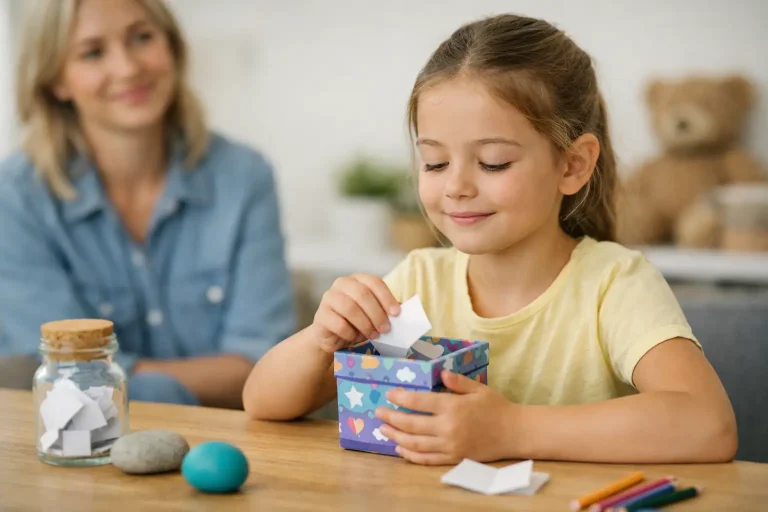
A peaceful image can follow. Perhaps they are tucked into a little boat on still water, watching friendly stars above them. Perhaps they have found a secret garden where every worry can be placed in a basket for the night. Choose imagery that feels safe and comforting to your child. If they dislike darkness, deep water or being alone, avoid those themes.
Finish with reassurance rather than a demand to sleep: “You are safe, your body can rest, and morning will come when it is ready.” Then allow quiet. Some children will drift off during the practice; others may lie peacefully for a while first. Both are worthwhile outcomes.
Choosing an approach your child will accept
The best sleep meditation is the one your child can tolerate and, ideally, come to welcome. A highly imaginative child may love a longer guided story. A child who is restless or wary of anything unfamiliar may respond better to two minutes of simple breathing and a few repeated reassuring phrases.
Age matters, but temperament matters more. Preschool children often enjoy sensory language, friendly animals and short visualisations. Primary-aged children may appreciate being given a role, such as putting each worry into an imaginary suitcase until tomorrow. Older children and young people may prefer more private, straightforward guidance that respects their growing independence, particularly when exam pressure or social worries are keeping them awake.
It can help to involve a child in small choices: whether they would like a story or quiet breathing, whether the door stays slightly open, or which soft toy sits beside them. Choice supports a sense of control, which can be especially reassuring for children who feel overwhelmed.
Avoid making meditation a consequence for difficult behaviour or presenting it as something that fixes them. Their worries are not naughty, inconvenient or silly. The practice is simply a gentle support for a mind that has had a lot to hold.
When bedtime worries need more support
Home-based calming practices can be a valuable first step, but they are not a substitute for professional help when a child is deeply distressed. Speak with your GP, school pastoral team or an appropriate health professional if sleep difficulties are persistent, worsening or affecting daytime life. Extra support is particularly important where there are regular nightmares, panic symptoms, significant changes in mood, extreme tiredness, ongoing school refusal or concerns about safety.
A child may also need practical adjustments alongside meditation. Hunger, discomfort, inconsistent bedtimes, a noisy bedroom, caffeine in older children or a difficult family situation can all affect sleep. Looking at the whole picture is kinder and more effective than assuming they simply need to relax.
At Peter Bates Holistic Books, therapeutic storytelling and companion audio are created with this gentle, repeatable support in mind. They can help families make space for reassurance at bedtime, without asking a child to explain every feeling perfectly.
Let calm become familiar
The most powerful part of a bedtime practice is often its familiarity. The same gentle words, repeated night after night, can become a small anchor when a child has had a hard day. Start softly, keep expectations light and allow the routine to belong to your child. Even when sleep does not arrive at once, a few peaceful minutes can remind them that their worries do not have to fill the whole night.