Children Therapy Books vs Counselling: What Helps?
A child who suddenly dreads bedtime, clings at the school gate or bursts into tears over a small change is not being difficult. They may be carrying worries they cannot yet name. When parents compare children therapy books vs counselling, they are often asking a tender, practical question: what will help my child feel safer and calmer soon?
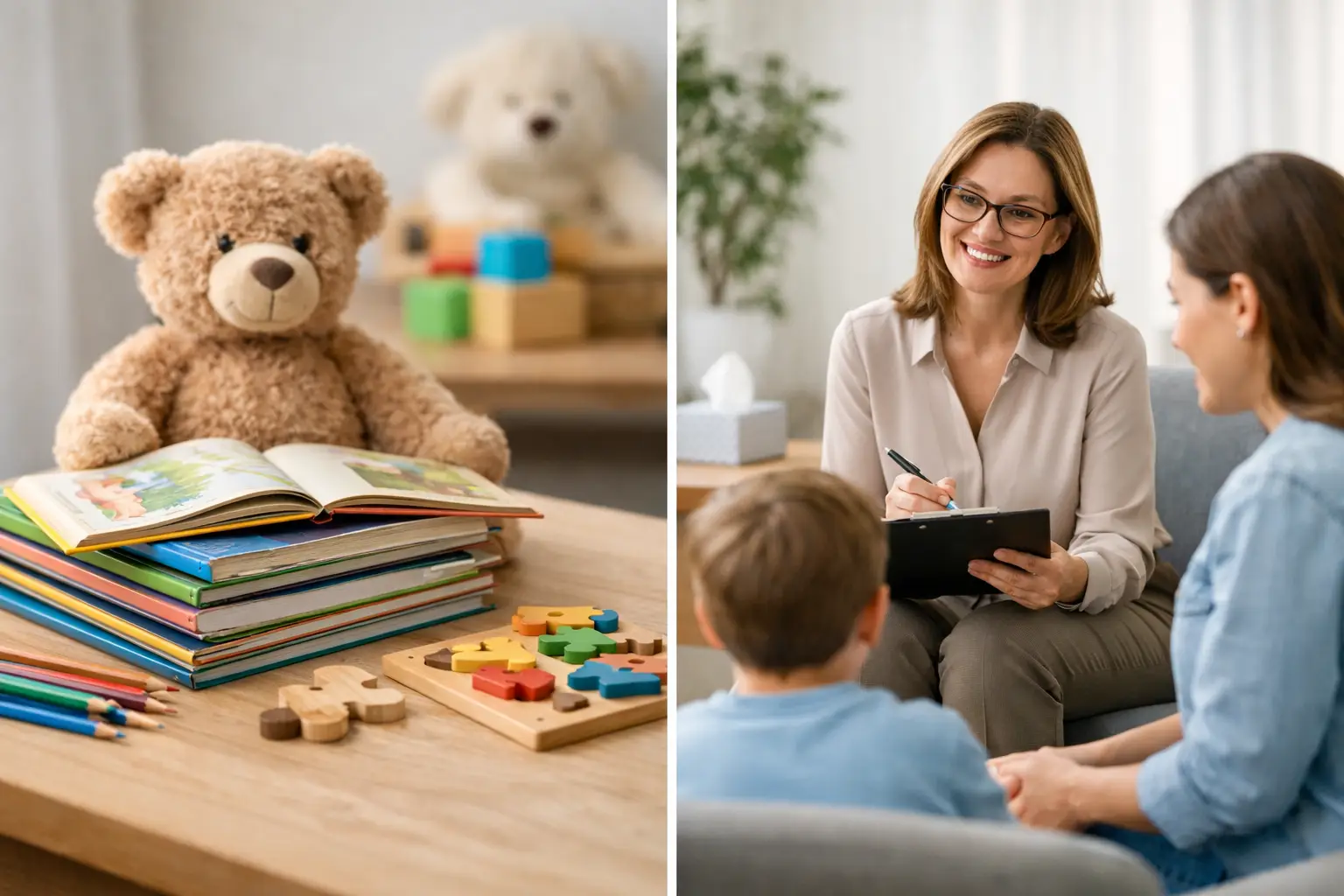
There is no single answer, because children, families and worries are all different. A thoughtfully created therapeutic book can become a reassuring part of everyday life. Counselling can offer individual, professional support when a child needs more space, assessment or sustained help. The kindest choice is not about choosing the most intensive option. It is about meeting your child where they are.
Children therapy books vs counselling: the key difference
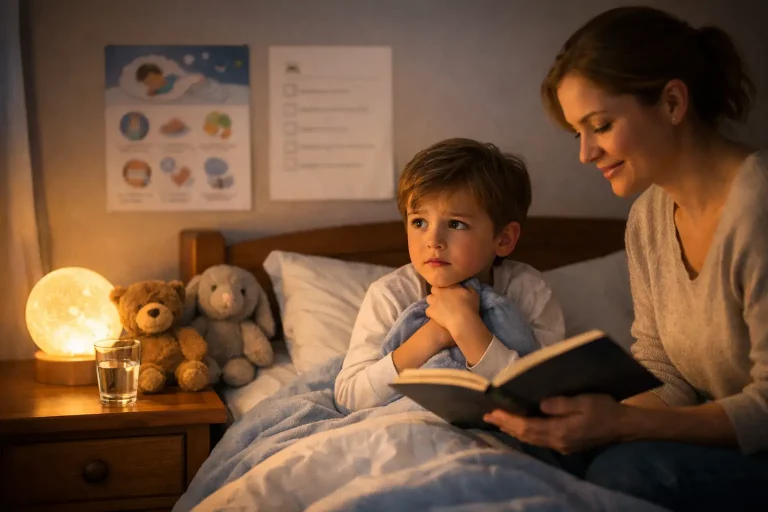
Therapeutic books offer gentle emotional support at home. Through a story, a child can recognise a feeling in a character before they have to talk directly about themselves. That small bit of distance can make big feelings feel less frightening. A worried child may find words for the tight feeling in their tummy. A child who struggles with sleep may begin to see bedtime as a time for settling, rather than a battle with racing thoughts.
Some books are paired with calming audio, meditation or gentle hypnotic relaxation. Used as part of a familiar routine, these can help a child slow down, practise imagining safety and build a calmer association with bedtime, school or a stressful event. The benefit is repetition. Families can return to the same story and audio whenever worries resurface, without needing an appointment.
Counselling is different. A trained counsellor creates a confidential, supportive relationship with the child and, where appropriate, works alongside parents or carers. They can explore patterns beneath the behaviour, help a child communicate in ways that suit their age, and tailor support over time. Counselling may be especially helpful where distress is persistent, complex or affecting daily life.
Neither approach needs to be seen as a failure of the other. A book is not a lesser form of care, and counselling is not something to fear. They simply serve different purposes.
When a therapeutic book may be a good first step
For many everyday worries, home-based support is a gentle place to begin. This might include bedtime fears, reluctance around a new school term, exam nerves, sibling tensions, low confidence or the emotional overwhelm that can follow a busy day.
Books work particularly well when a child is young, reluctant to talk face to face, or more able to absorb ideas through pictures, stories and repetition. Reading together removes the pressure to explain everything. Instead of asking, “Why are you feeling like this?”, a parent can say, “I wonder whether that character feels a bit like you sometimes.” That invitation is softer, and often more revealing.
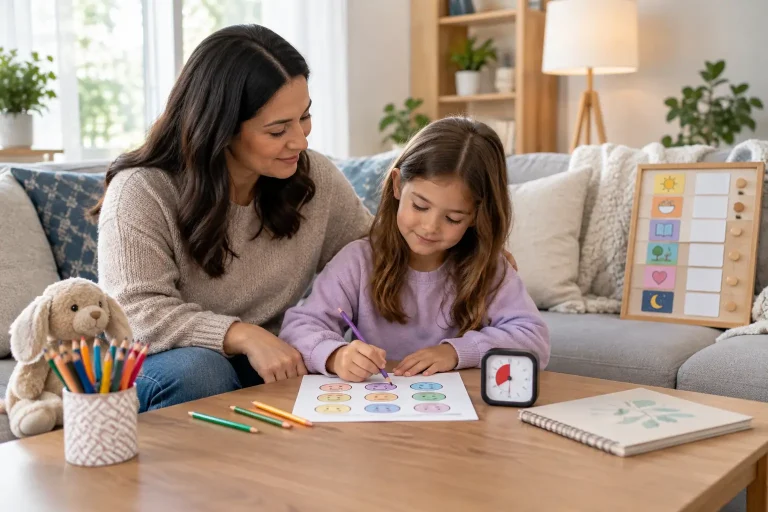
A therapeutic story also gives parents a simple language to use between reading sessions. You might refer to a character’s calming breath, their safe place, or the way they untangle their worries. This helps emotional skills become part of ordinary family conversation rather than a serious talk that a child may wish to avoid.
The practical advantage matters too. A book and companion audio can be used on a Sunday evening before school, after an upsetting day, or during the quiet minutes before sleep. There is no waiting list and no need for a child to perform or find the right words at a set time. For a family already stretched by worry, that accessibility can bring real relief.
What books can do, and what they cannot
A purpose-built therapeutic book can support emotional regulation, reassure a child that their feelings make sense and introduce calming habits. It may help create a predictable pause in the day, where connection replaces rushing. These small moments are meaningful, particularly when they happen consistently.
But books are not a diagnosis, nor are they a substitute for professional mental health care when it is needed. A story cannot assess trauma, neurodiversity, bereavement, family conflict or a child’s risk of harm. It cannot respond in the moment if a child reveals something serious, and it cannot adapt its approach in the way a skilled counsellor can.
It is also worth being realistic about pace. Some children settle quickly into a story and audio routine. Others need time, choice and no pressure. If your child rejects a book at first, it does not mean they are unwilling to be helped. Try reading when they are calm rather than at the peak of a meltdown, offer them control over which story to choose, or simply leave it nearby for them to explore in their own time.
When counselling may be the more appropriate support
Consider seeking professional advice if your child’s anxiety, low mood, anger, sleep difficulty or withdrawal is lasting for weeks and is getting in the way of school, friendships, family life or their ability to enjoy things. Counselling may also be the right next step after a frightening event, a significant loss, bullying, self-harm, or a major change that your child is struggling to process.
Look closely at the intensity as well as the behaviour itself. A child who has an occasional nightmare may benefit from a reassuring bedtime story. A child who is regularly exhausted, panicked, unable to attend school or increasingly isolated deserves more individual support. Trust your knowledge of them. You do not need to wait until things become unbearable before asking for help.
In the UK, a GP, school pastoral lead, school nurse or local children’s mental health service can help you understand the options available. If your child is in immediate danger, has spoken about harming themselves or someone else, or you cannot keep them safe, seek urgent professional help straight away.
Using books alongside counselling
The choice is not always children therapy books vs counselling. Often, the most supportive answer is both, with each playing a clear role.
A counsellor may help a child understand what sits beneath their worries, while a calming story becomes the bridge between sessions. Reading together can help the child practise a strategy introduced in counselling without making home feel clinical. The familiar voice of a guided audio can also offer a soothing anchor on evenings when feelings seem louder.
If your child is already seeing a counsellor, it can be useful to mention the books or audio you use at home. The counsellor may be able to suggest how to fit them into your child’s wider support, or flag if a particular theme feels unhelpful at that stage. Consistency is valuable, but it should never become pressure. The goal is inner calm, not another task for a child to get right.
Choosing a book your child will actually welcome
The best book is not necessarily the one with the most complicated explanation. It is the one that feels emotionally safe and relevant to your child. For a younger child, clear language, a warm story and a repeated calming phrase may be enough. An older child may respond better to a more independent story about confidence, friendships, change or exam stress.
Choose one concern at a time where possible. If bedtime is currently the hardest part of the day, begin there rather than trying to solve every worry at once. A specific story can feel more believable and less overwhelming. Notice whether your child seems comforted, curious or able to talk after reading. Those gentle signs matter more than whether they sit perfectly still or appear instantly transformed.
At Peter Bates Holistic Books, the intention behind therapeutic storytelling is to give families a repeatable way to create calm: a story that helps a child feel understood, and guided audio that supports the settling process. It is a quiet form of support that can fit naturally into the moments when children most need reassurance.
Your presence remains the most powerful part of any tool. Sit close if your child wants you to. Let them skip a page, ask the same question twice or simply listen in silence. Whether you begin with a book, counselling or both, the message they need to feel is the same: their big feelings are welcome, and they do not have to carry them alone.