
Exam Result Recovery: Helping Your Child Reset
The envelope has been opened, the screen has refreshed, and the result is not what your child hoped for. In that moment, exam result recovery is not about rushing to find a solution. It begins with helping them feel safe enough to have their big feelings. Disappointment can be sharp, especially when they have worked hard, worried for months, or pictured a particular future.
A grade can feel deeply personal to a child or young person. They may hear it as proof that they are not clever enough, that they have let people down, or that a door has closed forever. Your calm presence can gently interrupt that story. The result matters, but it does not measure their worth, their character, or all the paths still available to them.
What exam result recovery really means
Exam result recovery is often mistaken for simply finding a different course, resitting an exam, or asking for a paper to be reviewed. Those practical steps may be useful, but emotional recovery needs attention first. A child who is flooded with shame, anger or fear cannot easily take in information, make choices or hear reassurance.
Recovery means making space for the initial reaction, then helping them untangle the worries beneath it. They may be grieving a hoped-for school, college place, apprenticeship or sense of certainty. They may also be comparing themselves with friends, siblings or the version of themselves they thought they needed to become.
The aim is not to talk them out of sadness. It is to show them that sadness can be held, understood and moved through. When a young person feels accepted on a difficult day, they are more able to find their footing again.
Start with connection, not correction
Parents naturally want to make things better. It can be tempting to say, You can resit, It is not the end of the world, or At least you passed something. While these words come from love, they can land too soon when a child is hurting.
Try beginning with simple, steady observations instead: I can see this is really painful. You worked hard and you were hoping for something different. I am here with you. These phrases do not make the problem bigger. They give the feeling a safe place to settle.
If your child does not want to talk, respect that too. Some children need quiet, food, a walk, music, a familiar programme or time in their room before they can put words to what happened. You might let them know that you will check in later, without making them explain themselves before they are ready.
Avoid turning the moment into a post-mortem. Questions about revision, missed papers or what they could have done differently can wait. On results day, kindness is more useful than analysis.
Watch for the pressure of comparison
For many young people, the hardest part is not the result itself but seeing other people’s celebrations online. Social media can turn a private disappointment into something that feels public and permanent. Encourage a short break from scrolling if it seems to be making their thoughts louder.
You can also remind them that posts rarely show the whole picture. Some young people are delighted, some are quietly worried, and some are still deciding what to do next. There is no requirement to announce results, reply to messages immediately or look cheerful for anyone else.
Help their body come out of alarm
Exam disappointment is not only a thought. It can show up in the body as a tight chest, tearfulness, nausea, a headache, irritability or an inability to settle. Before discussing options, offer something that supports a return to inner calm.
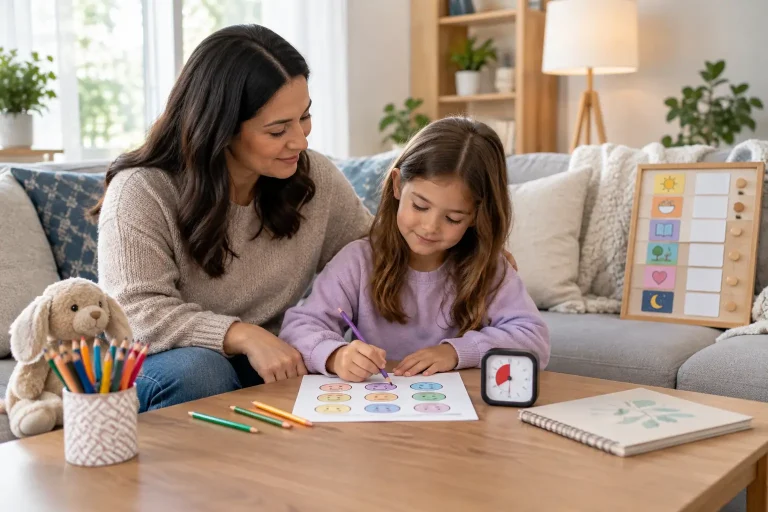
Keep it ordinary and gentle. A glass of water, a nourishing snack, fresh air, a warm shower or sitting together under a blanket can help the nervous system understand that the immediate danger has passed. Younger children may respond better to drawing their feelings, playing outside or choosing a comforting story than to a long conversation.
Bedtime may be particularly difficult after results. Worries often become louder when the house is quiet. A familiar calming routine, with therapeutic storytelling or guided relaxation audio, can give the mind something kinder to focus on than replaying every mark and imagined consequence. Peter Bates Holistic Books creates gentle story and audio support designed to help children and young people settle big feelings and reconnect with a calmer inner voice.
This is not about pretending the result does not matter. It is about giving their mind and body enough rest to face it with more clarity tomorrow.
Move from one result to the next small step
Once the first wave has eased, practical information can be reassuring. Keep the conversation small and specific. Rather than asking, What are you going to do now?, try, Would it help if we looked at the options together after lunch? A huge question can feel like another test. One manageable action feels possible.
Depending on their age and circumstances, that action may be speaking to a teacher, sixth form, college, university, training provider or careers adviser. There may be alternative courses, different entry routes, a resit, a remark or a later application route to consider. The right choice depends on the result, the subject, their longer-term hopes and how emotionally ready they feel to continue straight away.
It is helpful to separate facts from fears. Your child may say, I have ruined everything, when what they mean is, I do not know what happens next. Write down the practical questions that need answers. Then find out the answers one at a time. Certainty may not arrive immediately, but a clear next conversation can reduce the feeling of being trapped.
Keep their voice at the centre
Parents and carers can bring perspective, but a recovery plan works best when the young person has some ownership of it. You might share what you can see in them – persistence, imagination, kindness, problem-solving or commitment – and ask what matters most to them now.
A different route is not automatically a lesser route. For some young people, an unexpected change brings relief, a better-fitting subject or more time to grow in confidence. For others, pursuing a review or resit is exactly right. The important thing is that the decision is not made from panic or shame.
Rebuild confidence away from the mark
A disappointing result can shrink a young person’s view of themselves. They may begin to define every ability through the lens of one exam period. Gently widen that picture.
Notice effort without making it a consolation prize. Say what you genuinely observed: how they kept going when revision was hard, how they asked for help, how they showed up, or how they balanced school with friendships, health or family responsibilities. These qualities matter in further study, work and life, even when a grade does not reflect them perfectly.
It can also help to bring back activities that make them feel capable in other ways. Cooking a meal, walking the dog, football training, art, gaming with friends, volunteering or helping a younger sibling can all restore a sense of competence. Confidence is often rebuilt through lived experience, not through being told to feel confident.
Be mindful of language at home. Try not to repeatedly refer to them as the child who did not get the grades. Let the results be an event they experienced, not an identity they must carry.
When extra support would help
Most children and young people will need time, reassurance and practical guidance after disappointing results. However, seek additional support if distress is intense, lasts for weeks, affects sleep or eating significantly, or leads them to withdraw from everyday life. A school pastoral lead, GP, counsellor or qualified mental health professional can help you understand what support is appropriate.
Take any talk of hopelessness, self-harm or not wanting to be here seriously. Stay with your child, listen without judgement and seek urgent professional help. You do not need to manage that fear alone.
For the quieter worries that surface at home, make room for regular check-ins rather than one serious conversation. A simple question such as, How is your heart feeling about results today?, may open a door that What is wrong? does not.
A result can change a plan, but it does not close the story. With time, gentle support and one realistic step at a time, your child can begin to see that they are still becoming who they are meant to be.