Best books to help children with anxiety
When a child says their tummy hurts before school, bursts into tears at bedtime, or asks the same worried question ten times in an hour, most parents can feel the strain straight away. In moments like these, books to help children with anxiety can do far more than fill a quiet ten minutes. The right book can help a child feel seen, safe, and gently understood, while giving you a calm way to begin untangling the worries together.
Not every book about anxiety will help every child. That is often where parents feel stuck. Some children respond beautifully to a soft story with a reassuring ending. Others need something more practical that names what anxiety feels like in the body and offers simple ways to settle it. Age matters, of course, but so does temperament. A highly sensitive child may need very gentle language, while another may prefer clear explanations and concrete coping tools.
What makes books to help children with anxiety actually useful?
A helpful book does not simply tell a child to stop worrying or to think happy thoughts. Children know when they are being brushed aside. The books that tend to work best acknowledge that worry feels real. They create emotional safety first, then offer a way through.
That might look like a story character who feels scared at night, overwhelmed at school, or anxious about being apart from a parent. It might be a picture book that explains that anxious feelings can show up as racing thoughts, tummy aches, restlessness, or trouble sleeping. In either case, the book is doing an important job – it is helping the child recognise themselves without shame.
The strongest choices usually have three qualities. They are gentle in tone, clear in message, and repeatable. Repeatable matters more than many people realise. An anxious child rarely hears reassurance once and feels instantly settled forever. They often need the same calming message many times, especially during a difficult patch. A well-chosen book becomes a familiar emotional anchor.
Story books versus therapeutic books
There is no need to choose one camp and reject the other. Story-led books and more therapeutic books can support children in different ways.
Story books are often the easiest starting point. They lower defences. A child can project their feelings onto a character, which makes hard emotions easier to explore. Instead of saying, “I am frightened,” they might say, “That rabbit looks worried at bedtime.” For many families, this softer route opens the door to conversations that would otherwise feel too direct.
Therapeutic books can then add another layer. These books may include breathing prompts, grounding ideas, visualisation, or simple explanations about what happens when the brain and body go into worry mode. For a child who likes knowing why they feel the way they do, this can be deeply reassuring.
Some of the most effective support sits between the two. Purpose-built wellbeing books that combine storytelling with calming techniques can be especially helpful because they do not ask children to choose between comfort and understanding. They offer both.
Choosing by age and stage
A preschool child usually needs emotional language that is concrete and sensory. They are less likely to engage with detailed explanations about the nervous system, but they may connect with phrases such as “big feelings”, “fluttery tummies”, or “busy thoughts”. Books for this age group should feel safe, short, and soothing enough to revisit often.
Primary-aged children can often manage more reflection. They may benefit from books that explain what worry is, what triggers it, and what they can do in the moment. This is often the age when school-based anxiety, social worries, and bedtime fears begin to show up in more obvious ways. A book that normalises these experiences while offering a few calming practices can be very supportive.
Older children and young teens usually need a little more respect for their growing self-awareness. They can spot babyish language very quickly. They often respond better to books that are honest, emotionally intelligent, and practical without sounding preachy. If anxiety is showing up around exams, friendships, sleep, or confidence, the best books will speak to those situations directly.
Signs a book may not be the right fit
Even a highly recommended title may miss the mark for your child. If a book feels too intense, too wordy, too cheerful, or too clinical, it may not land well.
Some children become more unsettled by books that introduce too many worries at once. Others switch off if the message feels moralising, as though calm is something they should be able to achieve on command. A book can also be well written but poorly timed. During a peak period of anxiety, your child may need something shorter, slower, and more repetitive than usual.
It helps to notice what happens in the room when you read. Does your child lean in, relax a little, ask questions, or want to hear it again? Or do they fidget, withdraw, or ask to stop? Their response will tell you far more than a glowing review ever could.
How to use anxiety books so they work better at home
The book itself matters, but how you use it matters too. Children rarely absorb emotional support when they feel rushed or under pressure. A quiet bedtime read, a cuddle on the sofa after school, or a calm moment before a stressful event often works better than bringing out a book in the middle of a full-blown panic.
Read slowly. Pause when your child reacts to a page or a feeling. Let them notice similarities without forcing disclosure. You do not need to turn every reading session into a lesson. Sometimes the healing part is simply hearing a calm voice speak about worry in a manageable way.
Repetition is often where the real value appears. The first read may only create familiarity. By the third or fourth, a child may start using the book’s language themselves. They might say they have “busy thoughts” or ask to do the slow breathing from the story. That is a sign the message is taking root.
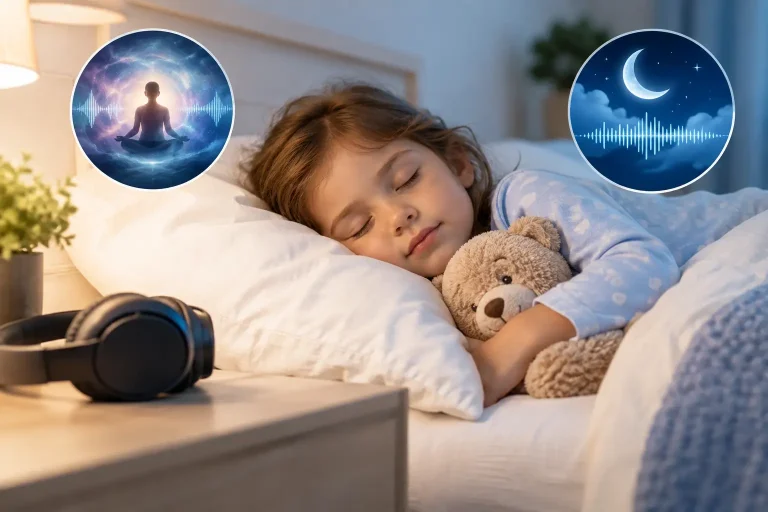
If your child responds well to audio, pairing books with guided calming audio can be especially powerful. Hearing the same soothing themes reinforced through relaxation, visualisation, or gentle therapeutic techniques can help children settle more deeply, particularly at bedtime. This is one reason many families are drawn to purpose-led wellbeing books from specialists such as Peter Bates Holistic Books, where the story is designed as emotional support rather than simple entertainment.
What parents often hope for, and what books can realistically do
It is natural to hope the right book will switch everything around quickly. Sometimes there is a visible change quite fast, especially if a child feels relieved to discover they are not the only one who worries. But anxiety is rarely a one-book problem with a one-book fix.
Books are best thought of as supportive tools. They can reduce isolation, create a language for feelings, ease bedtime tension, and introduce coping habits in a gentle way. They can also strengthen connection between you and your child, which in itself can be deeply regulating.
What they may not do on their own is resolve severe or persistent anxiety. If your child is struggling to sleep regularly, avoiding school, having panic symptoms, or finding daily life difficult, a book can still help, but it may need to sit alongside further support. There is no failure in that. In fact, using a book at home can make other support feel less frightening because the child already has a way to understand what they are experiencing.
A gentle checklist for choosing well
When you are deciding between books to help children with anxiety, it can help to ask a few simple questions. Does this book feel emotionally safe? Does it match my child’s age and sensitivity? Does it offer reassurance without dismissing the fear? Can I imagine my child wanting to hear it again?
You are not looking for perfection. You are looking for a resource your child can return to when the world feels too loud, too fast, or too uncertain. That may be a story about bedtime worries, a therapeutic picture book about calming the body, or a more reflective title for an older child dealing with exam stress or confidence wobbles.
The right book often becomes part of a wider rhythm of support – read at bedtime, revisited after a hard day, or kept nearby for those moments when feelings start to swell. And sometimes that small, steady rhythm is exactly what helps a child begin to find their way back to inner calm.
If your child is carrying more worry than their little shoulders should have to hold, start gently. One kind, well-chosen book can be the beginning of feeling safer, sleeping better, and learning that big feelings do pass.