Natural Anxiety Support for Children
When a child starts asking the same worried question for the fifth time before school, or suddenly cannot settle at bedtime because their mind feels too busy, parents often know something is not quite right. Natural anxiety support for children is not about brushing feelings aside or hoping they pass on their own. It is about offering gentle, steady tools that help a child feel safe in their body, calmer in their thoughts and more able to cope with everyday life.
For many families, the first priority is not to label or overanalyse every emotion. It is to ease the strain of those daily moments – the tummy aches before class, the tears over small changes, the racing mind at night, the child who seems constantly on alert. A natural approach can work beautifully here because it fits into home life. It can be repeated, adapted and offered in a way that feels reassuring rather than overwhelming.
What natural anxiety support for children really means
Natural support does not mean doing nothing, and it does not mean avoiding professional help when that is needed. It means choosing calming, non-pharmaceutical approaches that support the nervous system, emotional regulation and a child’s sense of security.
That might include predictable routines, therapeutic storytelling, guided relaxation, breathing exercises, sensory comfort, quiet connection with a trusted adult and simple wellbeing practices that help untangle the worries before they grow bigger. These approaches are often most effective when used consistently rather than only in moments of crisis.
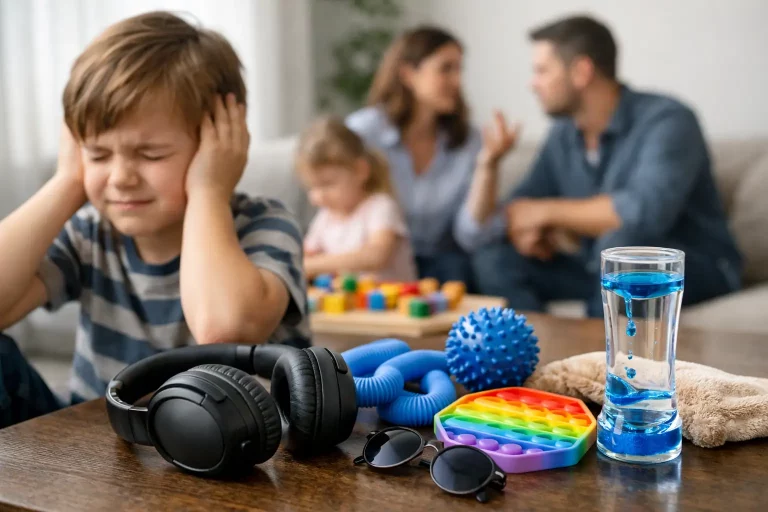
Children rarely say, “I am experiencing anxiety”. More often, it shows up sideways. You may see clinginess, irritability, trouble sleeping, avoidance, perfectionism, anger, fidgeting or sudden emotional overwhelm. A child may seem defiant when they are actually frightened, or exhausted when they are really carrying too much inner tension. Natural support begins with seeing the feeling underneath the behaviour.
Why gentle approaches can work so well
Children respond best when they feel safe, not scrutinised. That is one reason gentle approaches can be so powerful. They reduce pressure. Instead of demanding that a child explain every fear clearly, they create conditions where the body and mind can begin to settle.
This matters because anxious children are often stuck in anticipation. They are scanning for what might go wrong, what might change, who might leave, what they might get wrong or whether they will cope. If the body remains tense, reassurance alone may not land. A child can hear kind words and still feel unsafe inside.
That is where calming practices become more than a nice extra. Slow breathing, soothing stories, visualisation and restful audio can help shift the nervous system out of high alert. Once the body softens, the mind is often more able to receive comfort.
There is also a practical advantage. Natural support can become part of ordinary family rhythm. A calming story after tea, a short relaxation before school, the same reassuring bedtime audio each evening – these things build familiarity. Familiarity helps anxious children feel steadier because it reduces uncertainty.
The kinds of support that help most at home
The most effective natural support is usually simple and repeatable. Parents do not need a complicated programme. They need approaches that can be used on difficult mornings, tense evenings and those in-between moments when a child is trying hard to hold it together.
Therapeutic storytelling can be especially helpful because stories let children meet their feelings safely. A child may resist direct questions about worry but connect deeply with a character who feels nervous, overwhelmed or unsure. Through story, children can experience comfort, hope and emotional resolution without feeling put on the spot. That distance often makes the support easier to accept.
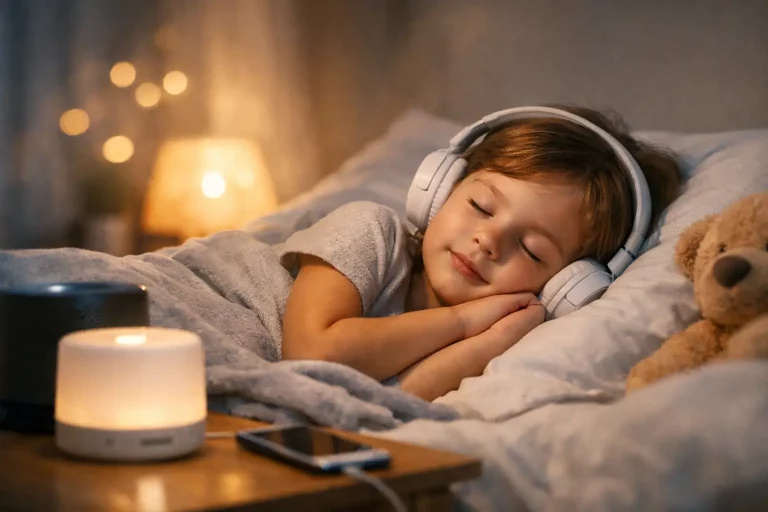
Guided audio can work alongside this beautifully. Calm, soothing voice work, gentle meditation and age-appropriate relaxation can help children slow their breathing, release physical tension and settle for sleep. For some children, listening is easier than talking. For others, the audio becomes a trusted bridge between a busy day and a calmer state.
Sensory comfort also matters more than many parents realise. Soft lighting, quiet spaces, warm blankets, familiar scents and a reduction in overstimulation can all support regulation. An anxious child often needs less sensory demand, not more instruction.
Then there are the small relational moments that help a child feel anchored. Sitting close. Keeping your voice low. Naming feelings simply. Saying, “You are safe, and we will get through this together.” These moments sound small, but they help build the emotional safety that all other support rests on.
What to avoid when a child is anxious
Parents usually mean well, but some common responses can add pressure. Trying to talk a child out of anxiety too quickly can leave them feeling misunderstood. Equally, giving endless reassurance can accidentally feed the cycle if a child starts needing constant confirmation that everything is fine.
It also helps to be careful with too many questions. A child in a flooded state may not know why they feel anxious. Asking them to explain it clearly in the moment can increase frustration. Calm first, insight later is often the kinder route.
Another trap is expecting a quick fix. Natural anxiety support for children works best as a steady practice, not a one-off intervention. Some children settle quickly once they feel safe. Others need repetition over time, especially if worries have been building for a while.
It depends on the child – and the trigger
Not all anxiety looks the same, so support should not be one-size-fits-all. A child who struggles with bedtime fears may respond beautifully to a soothing night-time routine with story and guided relaxation. A child who feels anxious about school may need morning preparation, emotional coaching and a gentler transition into the day.
Age matters too. Younger children often need support through rhythm, play, sensory comfort and simple language. Older children may benefit from understanding a little more about how worry works in the body, along with tools they can begin to use independently.
Temperament also plays a part. Some children need lots of co-regulation with an adult nearby. Others prefer quiet, private ways to settle. Some love visualisation. Some find breathing exercises irritating unless they are wrapped into a story or audio. The aim is not to force a method. It is to notice what helps your child feel more grounded.
When stories and audio become more than a bedtime extra
For many families, the turning point comes when support stops feeling like another task and starts feeling like relief. A well-crafted story can help a child recognise that big feelings can move and change. A calming audio can become a cue for rest, much like dimming the lights or pulling up the covers.
This is where therapeutic tools stand apart from ordinary distractions. They are not just there to keep a child busy. They are designed to gently shift emotional state, helping the child move from fear towards inner calm. Used regularly, they can create a sense of familiarity and emotional safety that supports better sleep, less overwhelm and more resilience over time.
That is one reason many parents are drawn to purpose-built wellbeing resources from specialists such as Peter Bates Holistic Books. The aim is not simply entertainment. It is to give families something practical and repeatable that supports emotional regulation in a nurturing, accessible way.
Knowing when natural support is enough – and when to seek more help
Gentle support at home can make a real difference, but there are times when more help is needed. If anxiety is stopping a child from attending school, sleeping regularly, eating well, joining normal activities or feeling safe day to day, it is wise to seek professional advice. The same applies if a child seems persistently distressed, withdrawn or overwhelmed.
Natural support and professional support do not need to compete. They can work side by side. Home-based calming tools may continue to be a valuable part of a wider plan, offering comfort and consistency between appointments or alongside school support.
Parents do not need to solve everything at once. Often, the most healing thing is to begin with what can be offered today – a calmer evening, a gentler response, a story that helps worries feel less lonely, a voice that guides a child back towards safety.
Children do not need perfect parents or elaborate solutions. Very often, they need steady reassurance, a soothing rhythm and simple tools that help their minds and bodies remember what calm feels like.