Are Calming Audios Safe for Children at Bedtime?
A child who is worn out but unable to settle can make bedtime feel very long for everyone. Parents often ask, “Are calming audios safe for children?” The reassuring answer is that they can be, when they are gentle, age-appropriate and used thoughtfully. A well-made calming audio can become a familiar cue for safety and rest, helping a child untangle the worries and big feelings that can keep their mind busy.
The details matter. The right audio, played at a comfortable volume and introduced as part of a caring routine, can support relaxation without making promises it cannot keep. It is not a substitute for medical or mental health support where that is needed, but it can be a kind, practical tool to have at home.
Are calming audios safe for children?
Calming audios cover a wide range of content: gentle music, bedtime stories, breathing exercises, guided visualisation, meditation and child-friendly hypnosis. Their shared purpose is simple. They encourage the body to slow down and give the mind something safe and soothing to focus on.
For most children, listening to suitable calming audio is low risk. It may help ease the transition from daytime activity into rest, particularly when worries tend to grow quieter household moments. A calm voice, unhurried pacing and reassuring words can help a child notice their breathing, soften tension in their body and feel less alone with what is on their mind.
Safety is less about whether audio is inherently harmful and more about how it is chosen and used. Children are individuals. One may relax beautifully with a guided story, while another may prefer soft music or may find spoken guidance distracting. Your child’s response is the best guide.
What calming audio can and cannot do
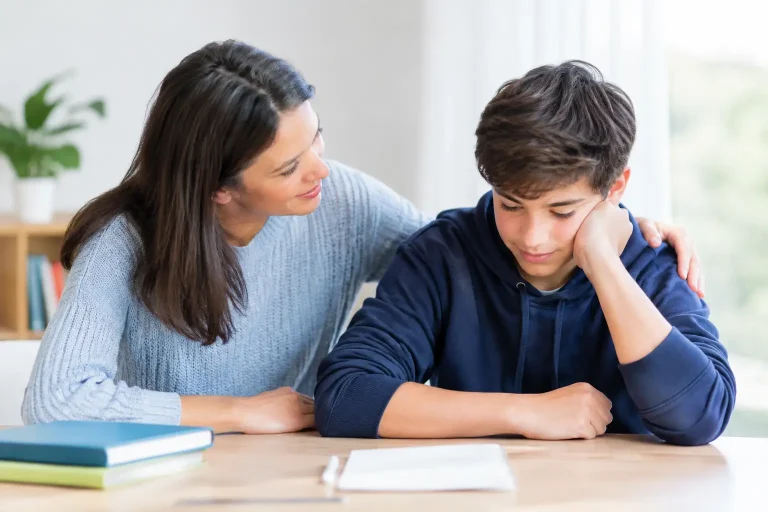
A calming track may help create the conditions for sleep or emotional regulation. It can support a child after a difficult school day, before an exam, or when their thoughts are racing at bedtime. Repetition can be especially comforting because the child knows what is coming next.
It cannot diagnose anxiety, resolve a serious sleep disorder or replace professional care for persistent distress. If your child is regularly very frightened, having frequent nightmares, withdrawing from daily life, struggling at school, or showing changes in eating, mood or behaviour, speak with your GP, school pastoral team or an appropriate child mental health professional. Gentle support at home and professional support can sit alongside one another.
Choosing safe, child-friendly calming audio
The most suitable recordings feel like an invitation, not an instruction. Look for language that is warm, clear and respectful of a child’s feelings. Phrases such as “you might notice”, “if you would like to” and “perhaps you can imagine” leave room for the child’s own experience. They should never be frightened, shamed or told that they must relax or sleep immediately.
For younger children, shorter recordings are often best. A three- to ten-minute story or relaxation can be enough to bring a sense of inner calm without becoming overstimulating. Older children and teenagers may enjoy longer meditations, particularly when they address something relevant such as exam stress, confidence or settling after a busy day.
Be mindful of the content as well as the voice. Avoid recordings with sudden sound effects, dramatic themes, adult worries or complicated visualisations that could make a sensitive child feel unsettled. A recording designed specifically for children should use simple imagery and provide a gentle return to the present at the end.
Guided hypnosis can concern some parents because the word sounds more powerful than it is. In a child-friendly wellbeing setting, it is generally a form of focused relaxation and imagination. A child remains aware of their surroundings and cannot be made to think, say or do something against their wishes. They can open their eyes, stop listening or ask a question at any time. Still, the same standards apply: choose a qualified, responsible creator and ensure the language feels emotionally safe.
Keep volume and equipment simple
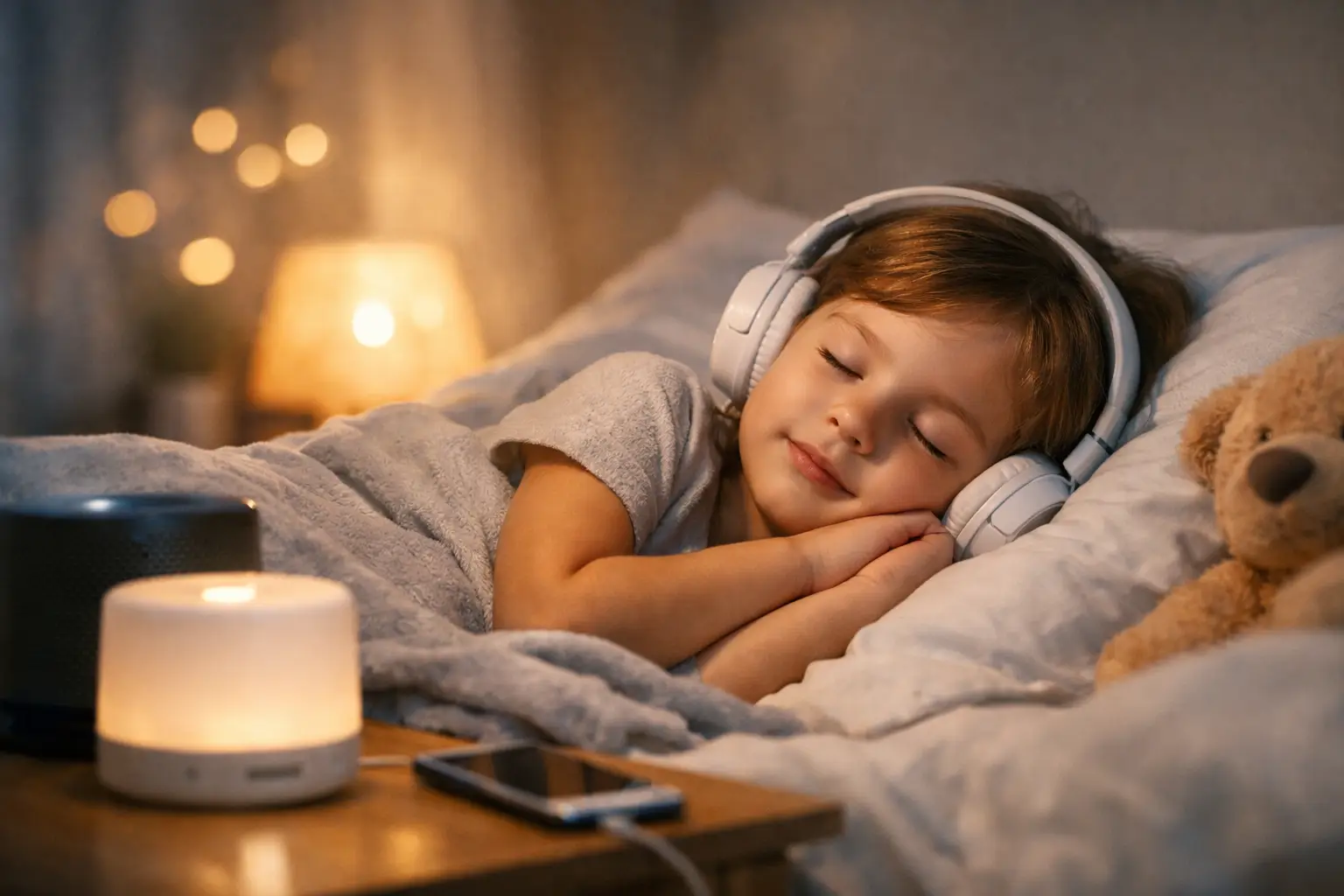
The clearest practical safety rule is to keep the volume low. The audio should be easy to hear without filling the room. If you can hear it clearly from across the bedroom, it is probably louder than necessary.
A small speaker placed away from the bed is usually preferable to headphones at night. Headphones and earbuds can be uncomfortable during sleep, may tangle, and make it harder for a child to hear a parent or carer if they need them. They can also encourage listening at a higher volume than is sensible. If headphones are used during the day for a short relaxation, choose child-safe volume-limiting headphones and supervise younger children.
It is also wise to avoid leaving a mobile phone or tablet within reach overnight. Notifications, bright screens and the temptation to choose another video can undo the calm you have carefully created. Set the audio playing, turn on a timer if available, and place the device safely out of reach.
Let your child have a say
Children are more likely to benefit when they feel they have some choice. You might offer two suitable options: a calming story or gentle music; a five-minute breathing track or a longer visualisation. This small sense of control is particularly helpful for children whose anxiety is linked to feeling that everything is happening around them.
Listen together the first few times, especially with a younger child or a new recording. Notice what happens afterwards. Do they seem softer and sleepier, or do they become chatty, uneasy or frustrated? There is no failure if an audio does not suit them. It simply means a different style, voice or time of day may work better.
Some children do not want to close their eyes during guided relaxation. That is completely fine. They may prefer to draw, cuddle a soft toy, look at a dim nightlight or simply listen. Calm grows more readily when a child feels safe rather than pressured to follow a particular method.
Build a bedtime rhythm, rather than relying on the audio alone
Calming audio works best as one part of a predictable wind-down. The body learns through repetition. A similar order each evening can signal that sleep is approaching: washing, pyjamas, a drink of water, a quiet story, then a short calming audio in a darkened, comfortable room.
Try to begin the routine before your child becomes overtired. A child who has pushed through exhaustion may find it harder to listen or settle, even with the loveliest recording. Keeping the hour before bed quieter can help too, with less bright-screen use, energetic play and difficult conversations where possible.
If worries appear once the lights go out, acknowledge them before pressing play. A brief phrase can make a real difference: “That sounds like a big worry. You are safe here, and we can think about it together tomorrow.” The audio can then offer a bridge towards rest, rather than becoming a way of brushing feelings aside.
When to pause or choose another approach
Stop the recording if your child becomes distressed, complains of a headache, says the voice or imagery feels scary, or appears more alert after listening. A calming tool should feel supportive, not like another task to get right.
Use extra care if your child has experienced trauma, has severe anxiety, has a condition involving hallucinations or dissociation, or is receiving specialist mental health care. In these circumstances, ask the professional involved in their care what type of relaxation support is appropriate. Familiar music, a simple bedtime story or a parent’s calm presence may be a better place to begin.
There is also value in leaving some nights audio-free. Your child does not need to become dependent on a recording to sleep well. Think of it as a comforting option in their wellbeing toolkit, alongside connection, routine, movement, play and the reassuring knowledge that their feelings can be heard.
A thoughtfully chosen calming audio can offer a small pocket of peace at the end of a demanding day. Keep it gentle, keep it quiet, and let your child’s comfort lead the way. Over time, that familiar moment of care can help them recognise something deeply valuable: calm is not something they have to chase. It is a feeling they can learn to return to.