
Calming Audio for Children Sleep That Helps
Some children look tired by teatime, then seem to find a second wind the moment the lights go down. For parents and carers, that can turn bedtime into the hardest part of the day. Calming audio for children sleep can help soften that transition, especially when a child is carrying worries, big feelings or a mind that simply does not know how to switch off.
The right audio does more than fill the room with pleasant sound. It gives a child something steady to follow. Instead of wrestling with racing thoughts, they can listen to a calm voice, gentle music or soothing sound patterns that help their body feel safe enough to rest. That sense of safety matters, because sleep difficulties in children are often tied not just to energy levels, but to anxiety, overstimulation and emotional overwhelm.
Why bedtime can feel so hard for some children
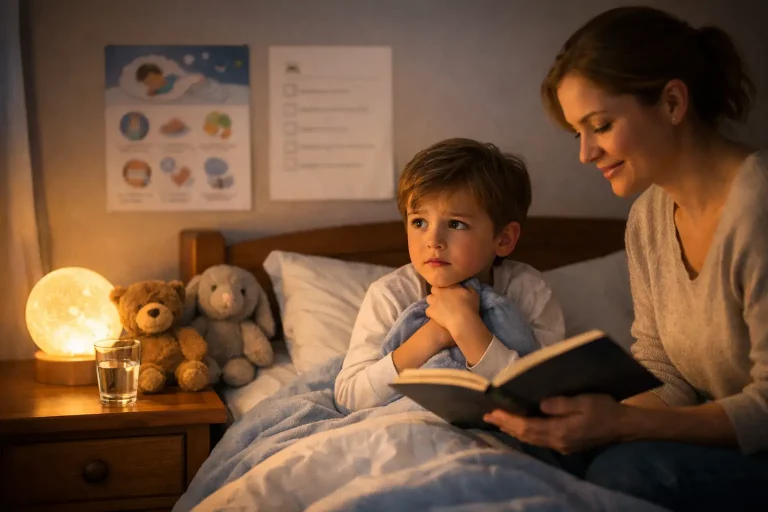
Many children do not resist sleep because they are being difficult. They resist because bedtime is quiet, and quiet can leave space for worries to surface. A child who held it together at school may suddenly think about friendship problems, bad dreams, tests, changes at home or fears they could not name during the day.
Some children are also very alert to noise, light and emotional atmosphere. If the day has been rushed or unsettled, their nervous system may still be on high alert when bedtime arrives. Others become caught in a pattern where they start to expect bedtime to be stressful, which makes it harder to relax the next evening. Over time, everyone can begin to dread the routine.
This is where calming audio can be especially supportive. It offers a repeatable cue that bedtime is a place of comfort rather than conflict. When used consistently, it can help untangle the worries attached to sleep and replace them with something familiar, gentle and reassuring.
What calming audio for children sleep actually does
Calming audio for children sleep works best when it supports both the mind and the body. A soothing rhythm, a slower pace of speech and carefully chosen wording can guide a child away from alertness and towards rest. If the audio includes therapeutic storytelling, visualisation, breathing or simple relaxation prompts, it may also help them release the emotional charge of the day.
For younger children, a story-led approach often feels natural because it meets them in the world they already understand. They are not being told to meditate or relax on command. They are being guided through a gentle experience that allows calm to arrive without pressure.
For older children, especially those who feel embarrassed by anything that sounds babyish, the tone matters even more. They may respond better to audio that respects their independence while still helping them settle. A calm narrator, grounded language and a sense of emotional safety can make all the difference.
That said, not every child responds to the same style. Some love soft background music. Some find music distracting and prefer spoken guidance. Some drift off with nature sounds, while others need a stronger emotional anchor, such as a therapeutic bedtime story that helps them process fears and feel protected.
Choosing audio that genuinely helps children sleep
The most helpful bedtime audio is not necessarily the most dramatic or entertaining. If a track is too stimulating, full of sudden changes, or designed mainly to hold attention, it can keep a child awake rather than settle them. Sleep support needs a different quality – slower, quieter and emotionally contained.
A calm, steady voice is often one of the strongest elements. Children respond to rhythm and reassurance. When a voice sounds warm and grounded, it can become an external source of calm until the child begins to find that calmer state within themselves.
It also helps if the language is gentle and safe. Bedtime is not the moment for overexcited storytelling or anything that introduces new tension. Supportive phrases that acknowledge feelings, ease busy thoughts and guide the listener towards inner calm are usually far more effective.
Length matters too. Very short audio can work well if your child falls asleep quickly, but for children who take longer to settle, a slightly longer track may prevent that awkward moment when the sound ends and they suddenly become fully awake again. On the other hand, if the audio is too long or too layered, some children will keep listening instead of drifting off. It often takes a little trial and observation.
Story-based audio can do more than soothe
When a child is struggling with bedtime worries, stories can reach places that direct instructions cannot. A carefully created therapeutic story can help them feel understood without asking them to explain everything they are feeling. It can show safety, comfort and resolution in a form their imagination can receive.
This is one reason purpose-built wellbeing audio can be so powerful. It is not simply background noise. It is designed to support an emotional shift. The child is gently led from tension towards ease, often through imagery, repetition and a sense of being held in a safe inner world.
At Peter Bates Holistic Books, this idea sits at the heart of the approach – using therapeutic storytelling and companion audio together so children are not only entertained at bedtime, but actively supported. For many families, that blend feels easier to use than trying to introduce a more formal wellbeing practice at the end of a tiring day.
How to make calming audio part of bedtime
Children usually respond best when calming audio becomes part of a predictable rhythm. It does not need to be elaborate. In fact, simpler is often better. A bath, pyjamas, a story, dimmed lights and the same soothing audio each evening can gradually teach the body what comes next.
Try to start the audio before a child is overtired. Once children move into that frantic, emotional state, settling can take longer. Beginning a little earlier can help the nervous system slow down before things tip into bedtime battles.
It is also worth noticing your own energy. Children are deeply responsive to the emotional atmosphere around them. If bedtime feels tense, rushed or full of negotiation, even beautiful audio may struggle to work. A calm voice in the room and a calm voice in the audio often support each other.
Some parents worry that using audio will become a crutch. In practice, it depends on how it is used. If the audio becomes a dependable part of a healthy routine, it can act more like a bridge – helping a child learn what calm feels like at bedtime. Over time, many children begin to settle more easily because their body recognises the pattern.
When calming audio may not be enough on its own
Audio can be wonderfully supportive, but it is not magic, and it cannot solve every sleep difficulty by itself. If a child is dealing with ongoing nightmares, signs of significant anxiety, sensory issues, illness, or major changes in behaviour, it may be worth looking more broadly at what is driving the sleep disruption.
Sometimes the answer is practical. A room may be too bright, too warm or too noisy. Sometimes the issue is emotional, such as stress at school or worry after a life change. In those situations, calming audio can still help, but it works best as part of a fuller picture of support.
Parents often feel pressure to find a single fix. Usually, sleep is more layered than that. A consistent routine, emotional reassurance, opportunities to talk during the day, and the right bedtime tools all play a part. The encouraging news is that small changes can begin to shift the whole pattern.
Signs you have found the right calming audio for children sleep
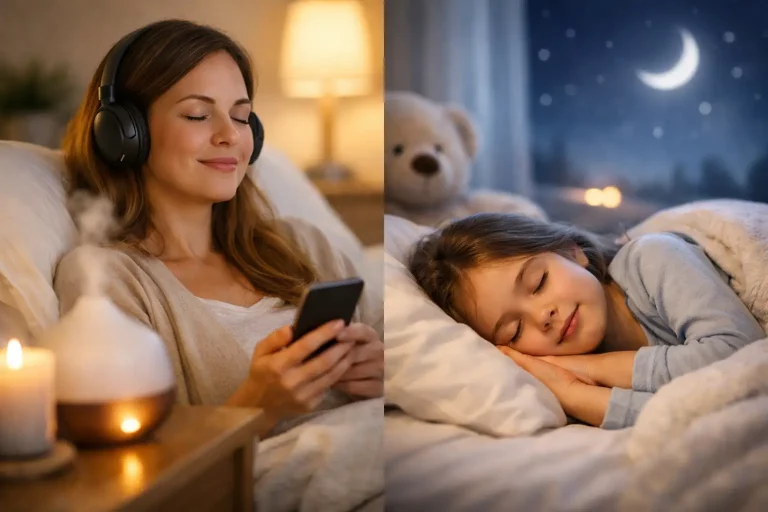
You do not need perfection for something to be working. A helpful bedtime audio may show up first in small ways. Your child might stop getting out of bed so often. They might seem less chatty and wired after lights out. They may ask for the same track because it helps them feel safe, or they may drift off before the end more regularly.
You might also notice a change in the emotional tone of bedtime. Less resistance. Fewer tears. A softer transition from the day into rest. Those moments matter, because they show that sleep is beginning to feel less like a struggle and more like a place of comfort.
If one style does not help, that does not mean calming audio is not right for your child. It may simply mean they need a different voice, pace or format. Children are wonderfully individual, and bedtime support should honour that.
A gentle night routine will not erase every worry, but it can give your child something deeply reassuring – the feeling that rest is possible, that their big feelings can settle, and that they do not have to manage the dark hours alone.