
Panic Symptoms in Children and What Helps
A child may suddenly clutch their chest, cry that they cannot breathe, feel sick or insist something dreadful is about to happen. For a parent or carer, these panic symptoms can be frightening to witness. Yet with a calm response, gentle reassurance and the right support, you can help your child feel safe while the intense feeling passes.
A panic episode can look dramatic because the body is responding as though there is danger, even when the child is physically safe. They are not being naughty, attention-seeking or deliberately difficult. Their alarm system has switched on very loudly, and they need an adult who can lend them a sense of calm.
What are panic symptoms?
Panic symptoms are powerful physical and emotional sensations caused by a sudden surge of fear or anxiety. They often build quickly and can feel overwhelming, especially for children who do not yet have the words or experience to understand what is happening.
One child might describe a racing heart or shaky hands. Another may say their tummy hurts, their throat feels tight or that the room seems strange. Some children become tearful and clingy, while others go very quiet, freeze, or urgently want to leave a place such as school, a shop or a busy family gathering.
A panic episode usually reaches its strongest point within minutes and then begins to settle. Even so, the memory of it can linger. A child may begin worrying about having another episode, avoiding bedtime, school, travel or situations where they felt frightened before. This is why kind, early support matters.
How panic symptoms can appear in children
Children do not always say, “I am panicking.” Their big feelings may come out through their bodies or behaviour instead. Look for patterns rather than trying to diagnose one difficult moment.
Common signs can include a pounding heart, fast or shallow breathing, sweating, trembling, dizziness, nausea, tingling, chest discomfort or a feeling of being unable to swallow. Emotionally, a child may seem terrified, confused, detached, irritable or desperate for reassurance. They may fear fainting, being sick, losing control or dying, even though these fears are part of the panic response rather than a prediction of what will happen.
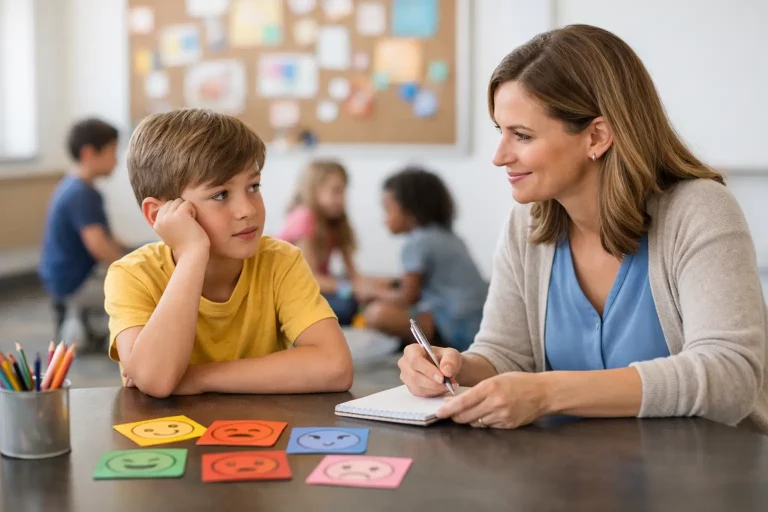
Younger children may complain of a tummy ache, have a sudden meltdown, refuse to separate from you or wake in distress. Older children and teenagers may hide how frightened they feel, particularly if they worry others will think they are silly. A quiet check-in can make a real difference: “You seem unsettled. I am here. Would you like to tell me what your body is feeling?”
Panic, worry and physical illness are not the same thing
Anxiety can cause very real physical sensations, but not every racing heart, breathlessness or chest pain is anxiety. If symptoms are new, severe, persistent, follow an injury or illness, or you are concerned your child may need urgent medical care, seek professional advice. In an emergency, call 999.
It can also help to speak with your GP if episodes keep happening, interfere with everyday life, or leave your child avoiding school, sleep, friendships or activities they once enjoyed. Asking for support is not overreacting. It gives you space to rule out physical causes and consider the most appropriate help for your child.
What to do during a panic episode
When your child is in the middle of panic, explanations and lots of questions can feel like too much. Your first task is to make the moment feel smaller, safer and more manageable.
Begin by steadying yourself. Speak slowly and softly, and use short, familiar phrases: “You are safe with me.” “This feeling is scary, but it will pass.” “We can take one small step at a time.” Avoid telling them simply to “calm down”, as this can leave a child feeling unheard when their body is sounding the alarm.
If they are willing, help them find a comfortable position with both feet on the floor or sit beside them somewhere quieter. Invite rather than instruct. You might say, “Let’s breathe out slowly together,” rather than demanding deep breaths. For some children, making the out-breath a little longer than the in-breath feels soothing. Blowing imaginary bubbles, cooling an imaginary cup of hot chocolate, or gently humming can make this feel less formal.
Grounding can bring attention back to the present. Ask your child to notice three things they can see, two things they can feel and one sound they can hear. Offer a sip of water, a favourite soft blanket, or the comfort of holding your hand if they want it. There is no single perfect technique. Some children find touch reassuring; others need a little space and a calm adult nearby.
Try not to rush straight into working out the cause. Once the intensity has eased, you can gently say, “That was a big wave of feeling. We got through it together.” This helps your child learn that panic is temporary and survivable.
What can make panic more likely?
Panic does not always have one clear trigger. It may arrive after a frightening thought, an argument, a busy day, poor sleep, illness, a change in routine or pressure at school. For some children, fear builds quietly over time until their body reaches a tipping point.
Exam worries, friendship difficulties, a move, family stress and upsetting news can all add to a child’s emotional load. So can feeling different from others, being highly sensitive to noise or crowds, or worrying about making mistakes. Teenagers may feel panic around grades, social situations or the expectation to appear confident when they do not feel it inside.
Knowing the pattern can be useful, but avoid turning every day into an investigation. A simple note of when episodes happen, what came before, how long they lasted and what helped can reveal gentle clues. The aim is not to eliminate every uncertainty from your child’s life. It is to help them build confidence that they can meet difficult feelings with support.
Supporting calm between episodes
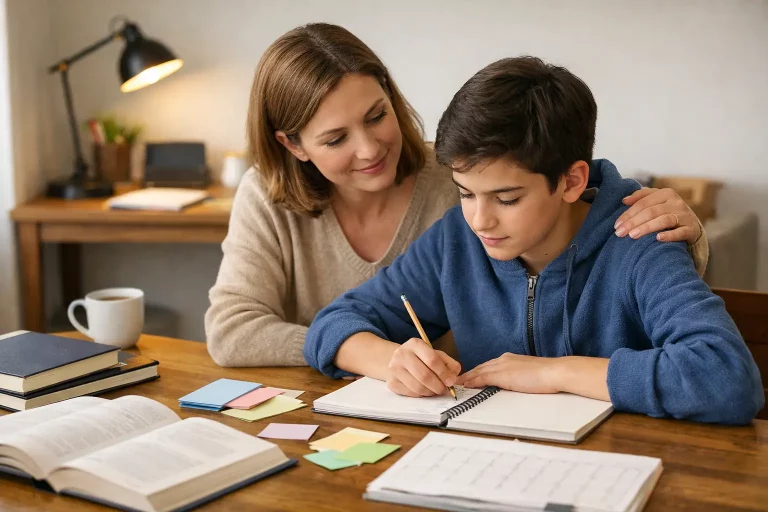
The most helpful work often happens in ordinary, peaceful moments. When a child is settled, their mind is more able to practise skills that may be available to them when worry appears.
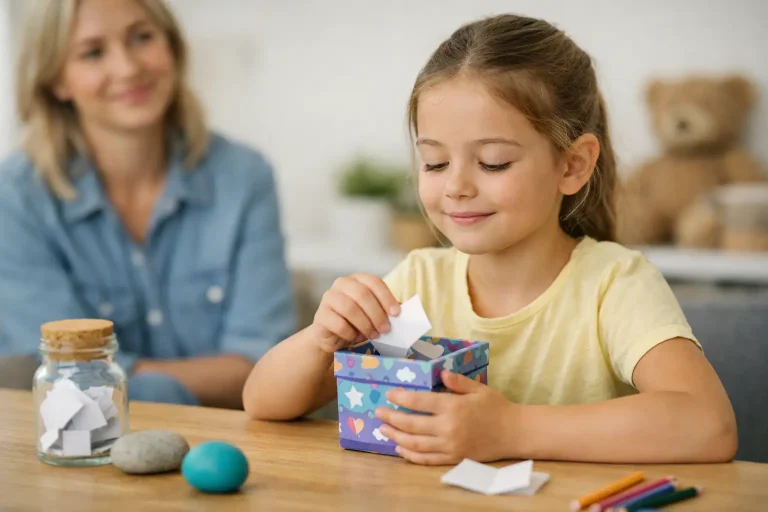
Create small, predictable pockets of calm in the day. This might be ten quiet minutes after school, a slower bedtime routine, drawing while you talk, or listening to a soothing guided audio together. Repetition matters more than getting it exactly right. A familiar story and calming voice can give children a safe place to rest their attention, untangle worries and imagine themselves coping well.
At Peter Bates Holistic Books, therapeutic storytelling and companion audio are designed to fit naturally into these moments, helping children associate relaxation with a comforting routine rather than a frightening crisis. This approach is not a replacement for professional care where it is needed, but it can be a gentle, repeatable tool at home.
Be careful not to offer reassurance in a way that accidentally makes your child feel they can only cope if you repeatedly prove nothing bad will happen. Instead, pair comfort with confidence: “I know this feels hard, and I also know you have ways to help your body settle.” Celebrate the effort, whether they managed one slow breath, stayed in the room for an extra minute or told you how they felt.
Helpful language for big feelings
The words adults use can shape how a child understands panic. Naming the experience without making it frightening is often reassuring. You might explain that the body has a “smoke alarm” that sometimes goes off when there is toast, not a fire. The alarm is noisy and uncomfortable, but it can settle again.
Avoid promising that panic will never return. A more trustworthy message is: “If it comes back, you will not have to face it alone.” This gives a child both honesty and hope.
When to seek extra support
A GP, school nurse, counsellor or qualified child mental health professional can help if panic symptoms are frequent, worsening or affecting your child’s daily life. Support is particularly valuable if your child is missing school, struggling to sleep, withdrawing from friends, avoiding food or activities, or expressing hopelessness.
If your child talks about hurting themselves, not wanting to be alive, or you believe they are at immediate risk, seek urgent help through 999 or your local urgent mental health service. Trust your instinct. You know your child, and you do not need to carry serious worries on your own.
Children do not need to be fearless to feel confident. They need to discover, slowly and safely, that big feelings can rise and fall, that their body can return to calm, and that caring adults will stay close while they learn.