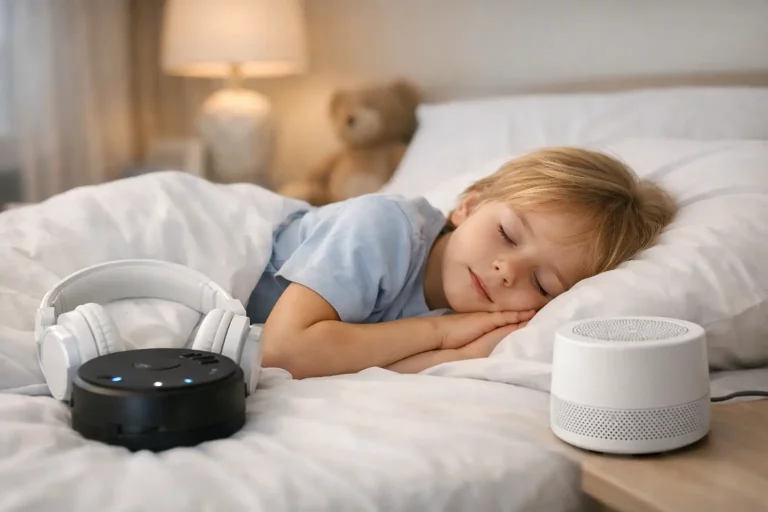
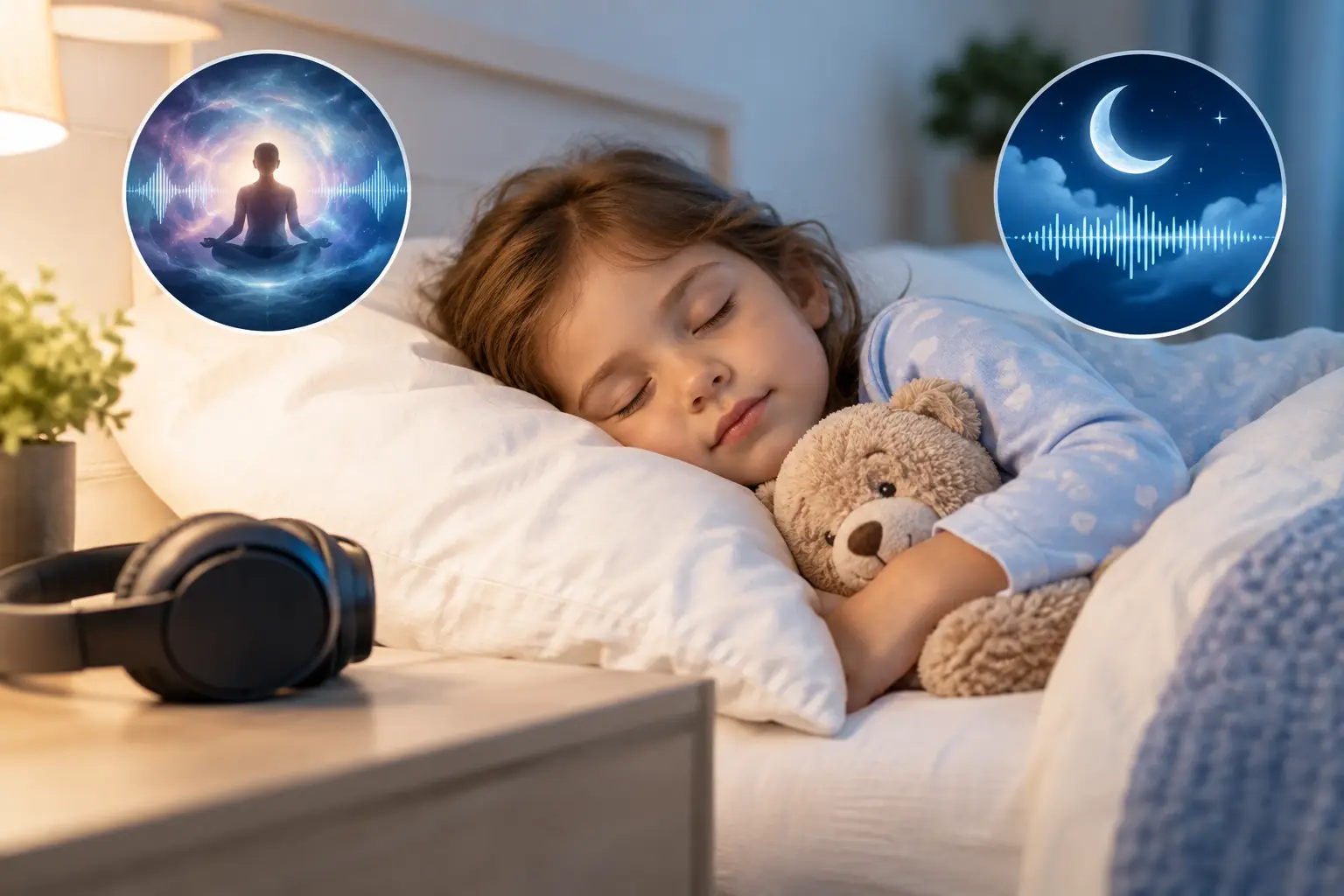
Hypnosis Recordings Versus Sleep Music for Children
A child who cannot settle at bedtime is rarely ‘just not tired’. Their body may be tired, while their mind is still replaying the day, anticipating tomorrow, or trying to make sense of big feelings. When parents are comparing hypnosis recordings versus sleep music, both can offer a gentler end to the day – but they support children in different ways.
Sleep music can create a peaceful atmosphere. A carefully designed hypnosis recording can do more: it can gently guide a child away from busy thoughts, towards safety, comfort and inner calm. The right choice depends on what is keeping your child awake, their age and temperament, and how they respond to sound at bedtime.
What sleep music can offer at bedtime
Sleep music is usually instrumental, slow-paced and repetitive. It may include piano, soft strings, nature sounds, white noise, or a blend of calming tones. Its main purpose is to make the bedroom feel less stimulating and more restful.
For some children, this is exactly what they need. A familiar piece of music can become part of a reassuring bedtime rhythm: pyjamas, teeth brushed, story, music, sleep. That predictability matters. It tells the nervous system that the day is ending and that there is nothing more to manage.
Music can also soften distracting household sounds, particularly if a child is sensitive to noise or shares a room with a sibling. It asks very little of them. They do not have to listen closely, follow instructions or talk about their worries. They can simply rest.
Yet music does not usually address the thought behind the wakefulness. If a child is worrying about school, friendship troubles, monsters, separation, a difficult day or an upcoming test, soothing sounds may calm the room without fully untangling the worry. They may still be lying awake beneath the music, thinking hard.
How hypnosis recordings support a worried mind
Children’s hypnosis recordings use calm language, imagery and gentle suggestions to help a child relax physically and emotionally. They are not about control, making a child do anything against their wishes, or putting them into an unusual state. A well-designed recording is a guided relaxation experience, offered in language a child can understand and feel safe with.
Rather than simply providing a calming background, the voice gives the mind somewhere kind to go. A child may be invited to notice their breathing, imagine a safe and cosy place, let go of the day, or picture worries becoming smaller and easier to carry. This can be especially helpful for children whose minds become busiest the moment the lights go out.
The therapeutic value lies in the combination of relaxation and repetition. When a child hears reassuring messages regularly, they have an opportunity to practise a different response to bedtime worries. Over time, phrases about feeling safe, being able to rest, or trusting their own calm can become familiar inner language.
A recording may also give parents a way to offer support without turning bedtime into a long discussion. Some children want to talk through every concern; others find questions at night overwhelming. Gentle guided audio can meet them where they are, allowing them to listen quietly while still receiving reassurance.
Hypnosis is not a replacement for being heard
A calming recording should never be used to dismiss a child’s fears. If they are upset, frightened or need to talk, begin with connection. Listen without rushing to fix everything. A brief cuddle, a glass of water, a reminder of what will happen tomorrow, or a chance to name a worry can help a child feel understood.
Hypnosis recordings work best as part of this caring rhythm, not as a way to silence feelings. They can help a child settle after they have been given space to feel safe and heard.
Hypnosis recordings versus sleep music: the practical difference
The clearest difference is the level of guidance. Sleep music creates an environment for rest. Hypnosis recordings actively guide relaxation and can offer gentle emotional support.
That does not make one automatically better than the other. A child who is already calm but distracted by outside noise may be perfectly suited to soft music. A child who says, ‘My brain will not switch off’, asks repeated bedtime questions, or becomes anxious when alone may benefit more from a recording with a warm, steady voice and purposeful calming imagery.
There is also a difference in attention. Music can play in the background all night if that suits the family and does not disturb sleep. A hypnosis recording is often most helpful as a short part of the bedtime routine. Once it ends, quiet can take over. This helps children learn that they can continue resting even when the voice is no longer present.
Some families use both, but it is wise to introduce one change at a time. Start with a guided recording for several evenings and notice what happens. Does your child seem more settled? Do they ask for it again? Are they asleep before it finishes, or do they become more alert because they are concentrating too hard? Their response will tell you more than any general rule.
Choosing the right audio for your child
A child’s age and personality matter. Younger children often respond well to simple, imaginative language and shorter recordings. They may enjoy a comforting story-like journey that helps them leave the day behind. Older children and young people may prefer a more direct approach that acknowledges stress, confidence worries, exam pressure or the discomfort of not knowing what tomorrow will bring.
The voice matters too. It should feel unhurried, friendly and emotionally safe. Avoid audio that is overly dramatic, uses frightening imagery, promises instant results, or feels too adult for your child. Bedtime is a vulnerable time. The recording should offer reassurance, never pressure.
It is also helpful to involve your child in the choice. You might say, ‘Would you like some quiet music tonight, or would you like to listen to a calming story that helps your body relax?’ Giving a small choice can reduce resistance and helps them feel that bedtime is something being done with them, not to them.
If your child dislikes guided audio, do not force it. Some children need silence, a familiar audiobook, a parent sitting nearby for a few minutes, or quiet music without words. Calm cannot be imposed. The aim is to find a supportive tool that feels like relief.
Creating a bedtime routine that reinforces calm
Audio is most effective when it is part of a consistent wind-down, rather than the only thing expected to solve difficult sleep. Begin reducing stimulation before bed where possible. A quieter room, dimmer lights and a predictable sequence can make a meaningful difference.
Keep the routine realistic. A complicated plan is hard to maintain when everyone is tired. Even ten minutes of connection, a story and a calming recording can become a powerful signal of safety when repeated night after night.
Try to keep conversations about practical worries earlier in the evening. If your child is anxious about PE, a spelling test or something that happened at school, make time to listen after tea or before the bedtime routine begins. At bedtime, you can gently remind them that the worry has been noticed and that tonight their job is simply to rest.
For children who wake during the night, the same audio can become a familiar anchor. Keep the response quiet and uncomplicated. A few reassuring words and a brief replay may be enough. Try not to introduce lots of new conversation, bright lights or choices that make waking feel more stimulating.
When extra support is needed
Occasional bedtime worry is common, particularly during changes at school, family stress, illness or after upsetting events. However, if sleep difficulties are persistent, your child is regularly distressed, anxiety is affecting daytime life, or they seem unusually withdrawn, it is sensible to seek advice from a GP, school wellbeing lead or qualified child mental health professional.
Therapeutic audio can be a valuable home-based support, but it sits alongside caring adult attention and professional help when needed. It is one gentle tool in a wider circle of support.
At Peter Bates Holistic Books, guided stories and companion audio are created with this principle in mind: children deserve practical ways to feel calmer, while parents deserve support that fits tenderly into everyday family life.
The most helpful bedtime audio is the one your child comes to recognise as their own small place of comfort. Whether that is soft music, a guided relaxation recording, or a combination used thoughtfully, the aim is not perfect sleep on demand. It is to help them feel safe enough to let the day go.