Meditation Breathing Exercises for Children
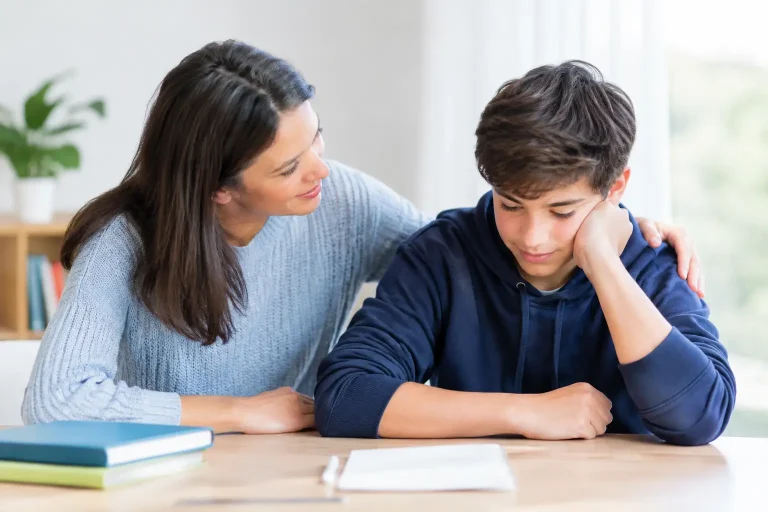
A worried child rarely needs to be told to “calm down”. They need to feel that someone understands the storm of big feelings inside them, and to have a simple way to come back to safety. Meditation breathing exercises can offer that small, dependable pause – at bedtime, before school, after an upset, or whenever worries begin to feel too loud.
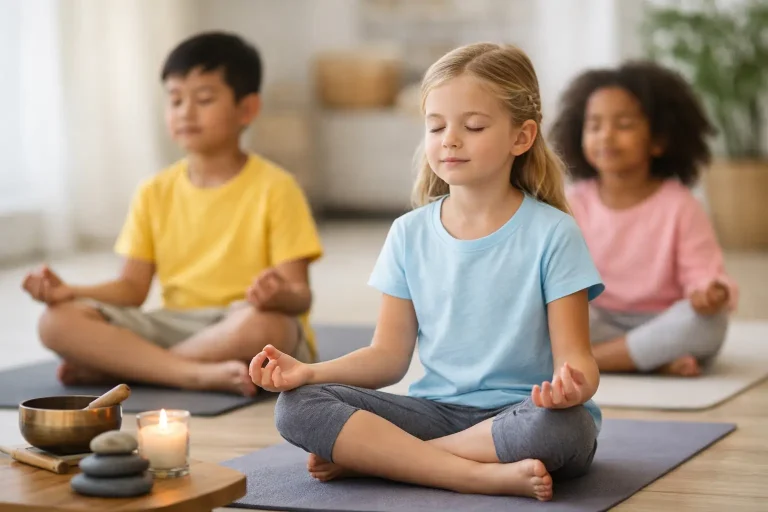
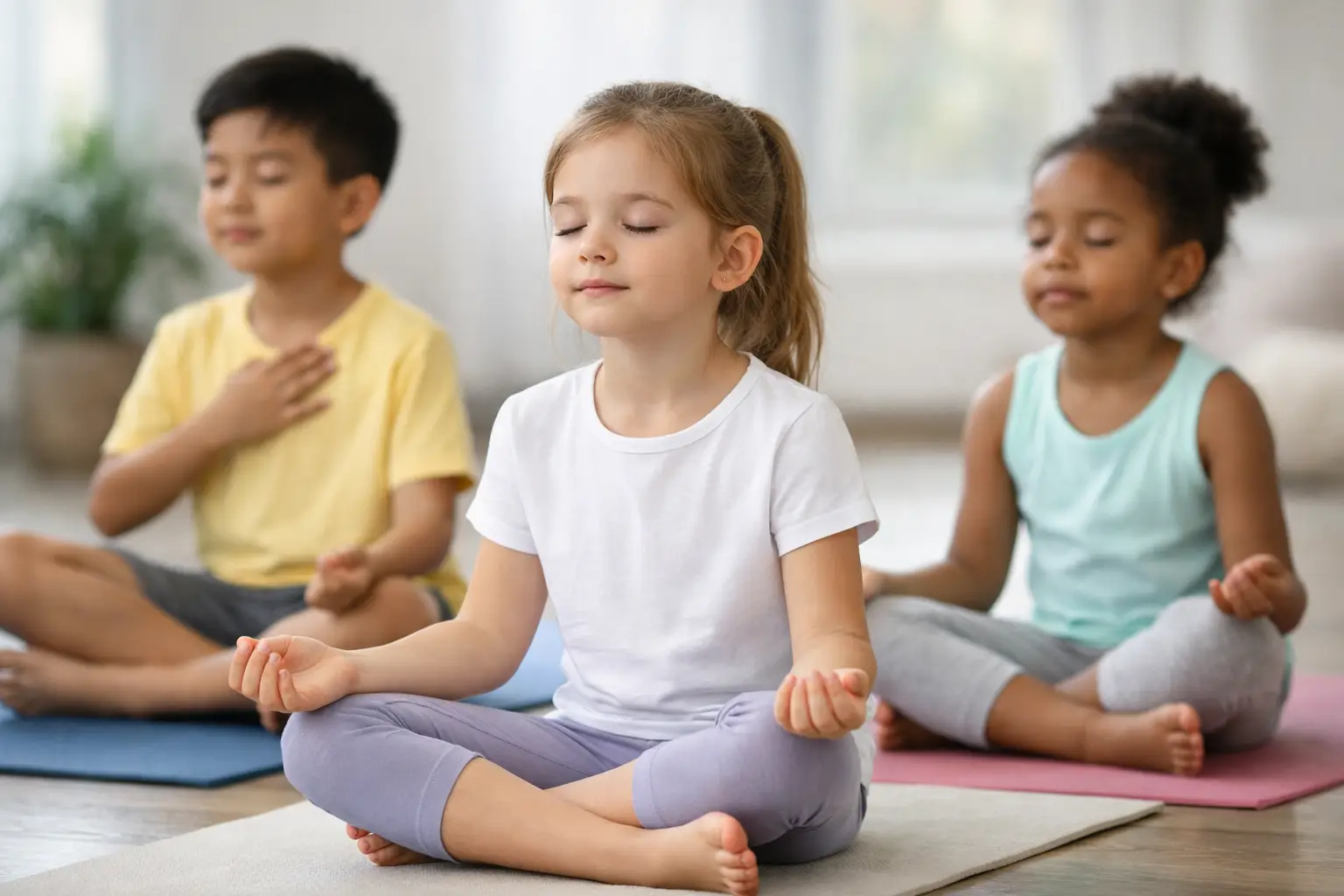
For children, the aim is not perfect meditation or sitting still for a long time. It is simply to notice the breath, soften the body and create a little more room around difficult feelings. With repetition, these moments can become a reassuring part of family life.
Why breathing can help when feelings feel big
When a child is anxious, overwhelmed or upset, their body often reacts before they can explain what is wrong. Their breathing may become quick and shallow, their shoulders may tighten, and their thoughts can race from one worry to the next. This is a protective response, not bad behaviour or a failure to cope.
A gentle, unforced breath can give the nervous system a signal that the immediate danger has passed. Slowing the out-breath slightly can be particularly soothing for many children. It does not make a worry disappear, and it should never be presented as a way to silence a child’s feelings. Instead, it can help them feel steady enough to name the feeling, accept comfort and decide what they need next.
The value is in practice rather than pressure. A child may only manage two slow breaths at first. That is still a meaningful start. Little moments of inner calm, repeated often, can help a child build confidence in their ability to handle difficult moments.
Meditation breathing exercises to try together
Choose one exercise that feels playful and easy, rather than offering too many choices at once. Try it when your child is already reasonably settled as well as during stressful times. Learning a new skill in a calm moment makes it easier to remember when emotions rise.
The teddy bear tummy breath
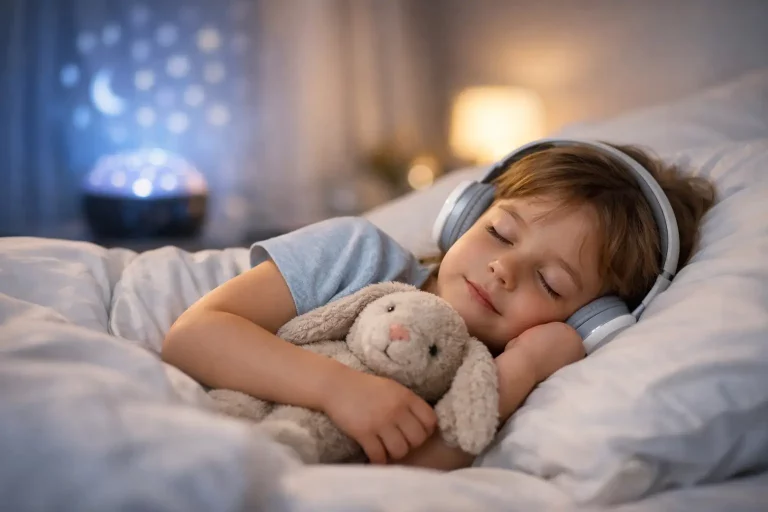
This is especially lovely for younger children and for bedtime. Invite your child to lie comfortably on their back with a favourite soft toy resting lightly on their tummy. Ask them to notice the toy gently rise as they breathe in, then sink as they breathe out.
There is no need to count or insist on deep breaths. You might say, “Let’s see if Teddy can go for a slow little ride.” Stay with this for three to five breaths, or for as long as it remains comfortable. The physical movement gives children something simple to focus on when their minds are busy.
Smell the flower, cool the cocoa
Ask your child to imagine they are holding a flower in one hand and a mug of hot cocoa in the other. They breathe in gently through their nose to smell the flower, then breathe out slowly through their mouth to cool the cocoa.
This image is easy to understand and avoids making breathing feel like a test. A longer out-breath may emerge naturally, but let your child set the pace. For a child who feels self-conscious, you can do it alongside them rather than watching closely.
Finger-tracing breaths
Finger breathing gives restless hands a helpful job to do. Your child holds one hand out wide. Using the first finger of the other hand, they slowly trace up one finger while breathing in, then trace down the other side while breathing out. They continue around the hand at a pace that feels comfortable.
This works well in the car before a difficult appointment, in a quiet corner after school, or before a test. It is discreet enough for older children too. If five fingers feels too long, tracing just one or two is absolutely fine.
Balloon breathing
Invite your child to place both hands over their tummy and imagine a small balloon there. As they breathe in, the balloon gently expands. As they breathe out, it becomes smaller again. The important word is gently. A balloon does not need to become enormous to do its job.
Some children enjoy choosing a colour for their balloon or imagining it filled with a peaceful feeling such as warmth, courage or sleepiness. Others prefer no visualisation at all. Follow their lead.
The humming out-breath
For a child who enjoys sound, take a comfortable breath in and make a quiet “mmm” sound on the way out, like a contented bee. The vibration can feel grounding and may help to release tension in the jaw and chest.
Keep the sound soft and brief. This exercise is usually better for home than a classroom, and it may not suit every child. If they giggle, that is fine too. Shared laughter can be settling in its own way.
Making the practice feel safe, not another demand
The most helpful meditation breathing exercises are offered as an invitation. “Shall we try three flower-and-cocoa breaths together?” is likely to land better than “You need to do your breathing now.” Children need a sense of choice, particularly when life already feels out of control.
Keep your language simple and reassuring. You might say, “Your body is having a worry alarm. We can help it feel safer,” or, “You do not have to get rid of the feeling. Let’s sit with it while we take a soft breath.” This teaches children that emotions are manageable visitors, not something frightening or shameful.
Routine helps. A two-minute practice after brushing teeth can become a gentle bridge between the busyness of the day and sleep. Before school, a few finger-tracing breaths may offer a calmer start. After school, breathing can come after a snack, a cuddle or some quiet time – not as a demand to explain everything immediately.
For some families, a soothing story or guided audio creates the right setting. A familiar voice, calming imagery and a predictable routine can help a child settle without feeling singled out. This is one reason therapeutic stories and relaxation audio can work so well alongside simple breathing: they give the mind somewhere safe to rest while the body slows down.
What to do when a child says it is not working
Sometimes a child will say breathing makes them feel more upset, bored or silly. Listen to that response. Focusing closely on breath can feel uncomfortable for some children, especially when they are highly anxious or in the middle of panic. Do not push through.
Try a more outward-focused alternative instead. Notice five things of a favourite colour in the room, walk slowly while matching steps to a gentle count, or hold a warm drink and describe its smell and warmth. Emotional regulation is not one-size-fits-all. The goal is to help your child find a route back to steadiness that feels safe for them.
Avoid asking children to hold their breath for long periods or take exaggerated, forceful breaths. Gentle, natural breathing is enough. If your child has asthma, another breathing condition, frequent panic symptoms, or seems persistently distressed, speak with a GP or an appropriately qualified health professional for personalised support.
A small practice with a lasting message
When you sit beside a child and breathe slowly with them, you are offering more than a technique. You are showing them that they do not have to face a racing heart, bedtime worry or disappointing day alone. You are helping them practise a quiet but powerful message: big feelings can be held with kindness, and calm can be found one gentle breath at a time.